Ill-fated Eleni travels to the house where all the Fates live and battles to change her lot in life.
Our Reading Travels
Wednesday, 7 June 2017
Europe: Our Journey is coming to an end
This week will likely be our last for reading around the world. Today we visited Greece and read about the Girl Who Changed her Fate.
Europe: France
Our reading journey around the world has brought us to our seventh and final continent, Europe! We were getting a little hungry from all our travels so we decided to have a story that was about food.
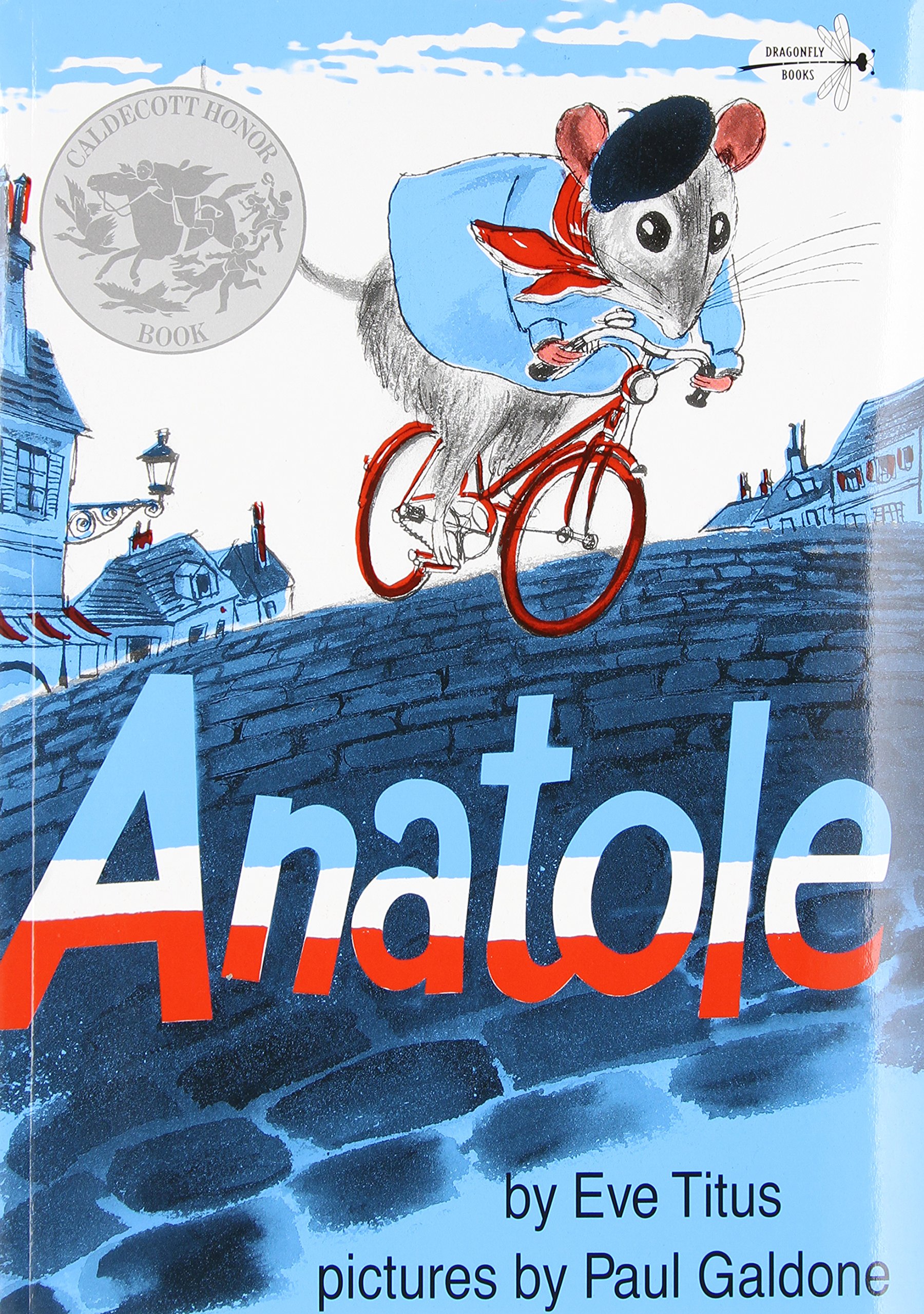
A French mouse decides to earn an honest living by tasting the cheese in a cheese factory and leaving notes about its quality.
Thursday, 1 June 2017
Asia: China
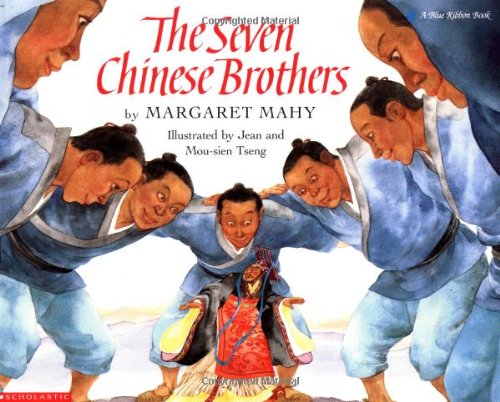
We read a very entertaining story set in China. Seven brothers avoid being executed by the emperor because of amazing individual qualities.
Thursday, 25 May 2017
Asia: True Story from India
We have arrived on our sixth continent in our reading around the world journey. This week we are reading a story set in a country that has the second largest population in the world.

The true story of Noor Nobi, a tailor from Calcutta, India, who, after the loss of his family, set about to rescue, heal, and set free thousands of illegally captured birds.
Friday, 19 May 2017
Africa: Folktales

![]() |
| Samara |
![]() |
| Gwen |
![]() |
| Jesse |
![]() |
| Niko |
![]() |
| Marin |
![]() |
| Oliver |
![]() |
| Rylan |
![]() |
| Hunter |
![]() |
| Bella |
In this Bantu tale, when the other animals fail at the task, the slow but wise turtle finds a way to obtain the bountiful fruits of a magic tree.
Thursday, 18 May 2017
Africa: True Stories
While we read around the world students are to think about the following questions:
- What does each story tell us about the continent in which they take place?
- What does the story tell us about the land and the people that live there?
- How is reading around the world getting us to know more about other places?
- Why should we learn about the different continents of the world?
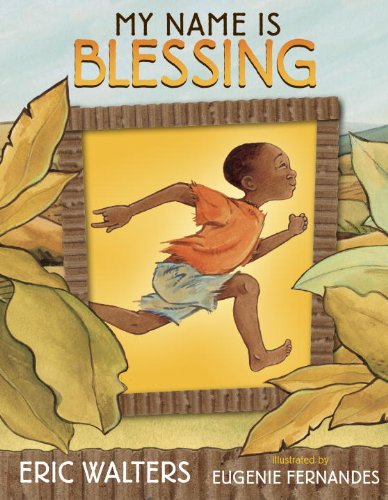
A story from Ghana about how one small loan for a hen led to the creation of the biggest farm in West Africa.
A story from Kenya that made us aware that many children live in poverty because their parents became sick and die. It tells about how people from other parts of the world can help bring education and homes for children.
Friday, 7 April 2017
Australia: Possum Magic
Australia makes for our fourth continent in our read around the world adventure. We have visited North America, South America, and Antarctica up to this point.
We traveled all around the outside of Australia and even to Tasmania in one book. Possum Magic introduces all sorts of unique Australia foods.
Below are some journal entries by students about the story. Click on the image to make it larger.
![]() |
| Brandon |
![]() |
| Emily |
![]() |
| Emma |
![]() |
| Liam |
![]() |
| Lilia 1 |
![]() |
| Lilia 2 |
Thursday, 2 March 2017
Our Third Continent: Antarctica
We have finished reading books from the continents of North America and South America and are moving onto Antarctica this week.
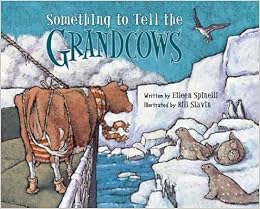
Something to Tell the Grandcows is inspired by an actual expedition to Antarctica in the 1930s that brought cows to this frozen continent.
Check out Orry's journal entry about the book.
Something to Tell the Grandcows is inspired by an actual expedition to Antarctica in the 1930s that brought cows to this frozen continent.
Check out Orry's journal entry about the book.
![]() |
| Orry |
Thursday, 16 February 2017
South America: Brazil
Our world reading travels continue on the continent of South America. This week we headed into the heart of the Amazon.
Uirapuru tells the story of a group of boys who set off into the forest to catch the bird with nets and bows and arrows. During their adventures they meet an old man with a flute who has spent his life trying to copy the UirapurĂș’s song and a maiden of the moon surrounded by all the creatures of the night.
The story teaches that we cannot try to own nature, because when we do it will hurt it and it will disappear. The beautiful parts of nature should be respected.
![]() |
| Emily |
![]() |
| Hunter |
![]() |
| Rylan |
Friday, 10 February 2017
South America: The Andes and Peru
We left the continent of North America and headed to South America. We looked up both continents in World Book Kids Online. We compared the two continents and found out that South America is about 1/3 smaller in area than North America and had less people. North America has approximately 572 million people while South America has about 418 million. There are 12 countries in South America compared to 24 countries in North America.
We read our first story set in South America. Necklace of Stars is story that whose setting could have been in a number of places along the Andes. We briefly looked at what the Andes look like in Argentina, Chile, Bolivia and Peru. This fictional story most likely takes place in Peru.
Thursday, 2 February 2017
North America: Guatemala
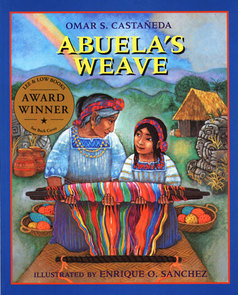
Central America is part of the continent of North America. We read about Esperanza and her Abuela (grandmother). They live in the countryside of Guatemala and they weave beautiful tapestries and clothing.
The quetzal is a bird which is a symbol of Guatemala. It is even on the country's flag. This bird is often woven in the patterns of their weaving.
This story reminds us that we should appreciate the skills and traditions that have been passed down to us. Each country has something unique to offer the world. It is diversity that makes the world such a wonderful and interesting place. This story also reminds us that we should never judge people by their appearance.
![]() |
| Gwen |
![]() |
| Oliver |
Thursday, 26 January 2017
Learning About North America
We read parts of three books today.
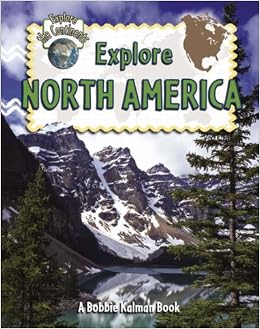
From the Explore North America book we learned that there are seven continents and five oceans in the world. North America is the continent that we live on. Our continent has 24 countries. Many countries in North America are also islands. We also learned that the climate of countries get warmer the farther they are away from the North Pole and the closer they are to the equator.
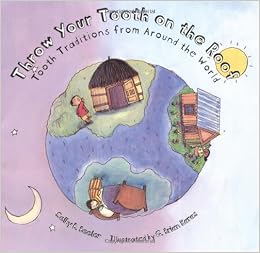
In the book, Throw Your Tooth on the Roof, we learned that kids around the world have many different tooth traditions. In North America, some first nations groups put their child's tooth in a tree and dance around it to make sure the replacement tooth grows straight while others wrap it in food and feed it to their dog. In Mexico, children wait for a magic tooth mouse instead of a tooth fairy.
We read part of School Days Around the World which show that most kids go to school and like to learn and hangout with friends. We also learned that schools can be very different from what we are used to.We read about how kids go to school on a native reserve in Alberta. The school the children attended there was pink and they ate both breakfast and lunch at the school. The children used iPads and studies similar subjects to what we have at Tillicum Elementary School. What was different is that they also learned to speak Cree and were taught drumming and how to do traditional Pow Wow dancing. They even had elders come in from the community to tell them stories.Thursday, 19 January 2017
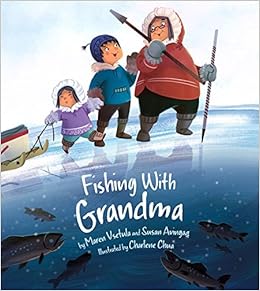
This is a story from Canada. It is about a grandma teaching her grand kids how to ice fish. There are all sorts of things you need to know to be safe and successful at ice fishing.
In Canada many people ice fish.
![]() |
| Chase |
![]() |
| Lilia |
![]() |
| Niko |
Below are some student Journal entries about Canada in general.
![]() |
| Brooklyn |
![]() |
| Bella |
![]() |
| Marin |
Subscribe to:
Posts (Atom)